Clay Tile Roofing Westchester NY
Clay Tile Roofing Westchester NY – a clay tile roof is the longest-lasting roof you can put on a house. Installed properly it is measured in generations rather than years, and it gives a home a depth of color and shadow that no manufactured shingle reproduces.
This page is about putting tile on your home: a complete new tile roof, a tile-for-tile replacement of one that has reached the end of its life, or a single slope or dormer rebuilt to match the rest of the roof. If your tile roof is sound but leaking, cracked or missing tiles, that is repair work – see our clay tile roof repair page.
We install genuine fired clay tile and modern synthetic tile, and we have been roofing Westchester County homes since 1977.
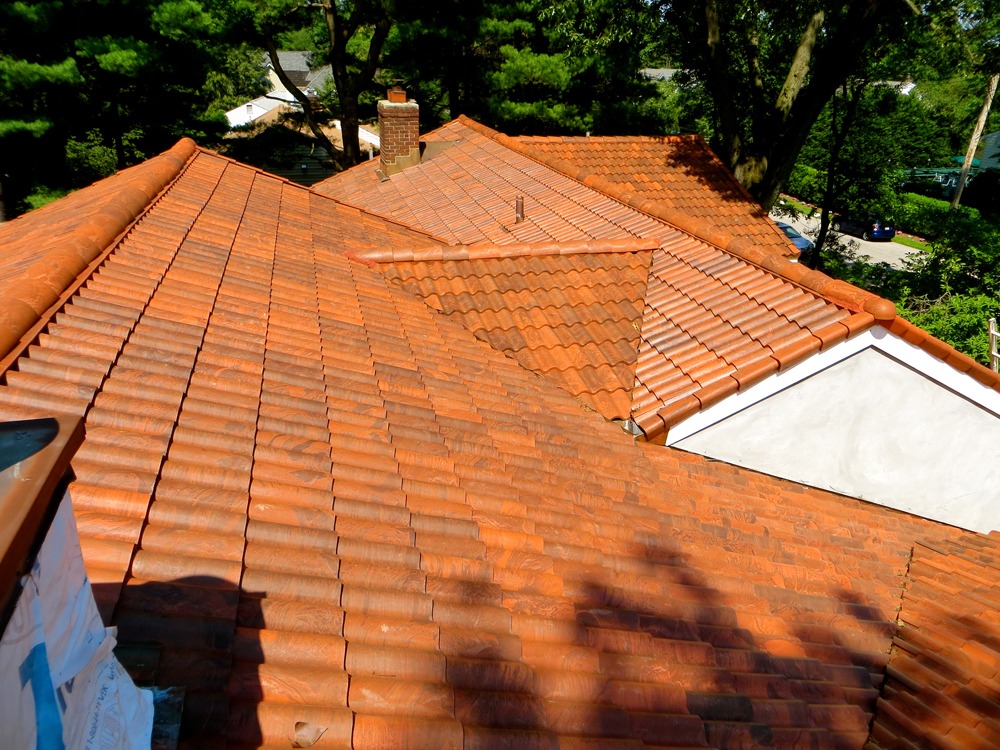
A tile roof is not simply a different shingle. Clay tile is heavy – several times the weight of asphalt – so the first question on any new tile roof is whether the house can carry it. We answer that before we talk about anything else, and if the framing needs reinforcing we tell you plainly what that involves.
Beneath the tile, the underlayment and the metal work are what actually keep water out for the next hundred years. Tile sheds weather beautifully, but valleys, chimneys, sidewalls and eaves are where a tile roof is won or lost. We fabricate our own copper flashing for exactly that reason, rather than fitting whatever comes off a shelf.
- Complete clay tile roof installation, residential and commercial
- Tile-for-tile replacement of an existing clay or concrete tile roof
- Partial replacement – a slope, dormer or valley rebuilt to match the original
- Synthetic tile installation where the structure will not carry clay
- In-house copper flashing fabrication for valleys, chimneys and sidewalls
- Free inspections, and a 100% satisfaction guarantee on all our work
If you are weighing up a new roof, tile is worth serious thought: higher at the outset, lower across the life of the house, and one of the very few roofs you are unlikely to ever replace.

Genuine Clay or Synthetic Tile?
We install both, and the right answer depends mostly on your house.
Genuine fired clay is the real thing – kiln-fired, color all the way through, and largely unchanged after a century on the roof. It is also heavy, which is why the framing underneath it is part of the conversation.
Synthetic tile is molded to the shape and color of clay at a fraction of the weight. On a house that was never built to carry tile it gives you the look without reinforcing the structure, and it handles hail and freeze-thaw better than most people expect.
We will tell you which one suits your home, and why – including the times when the honest answer is that tile is not the right roof for it.
Both outlast asphalt by a wide margin, so either one is a good roof. The difference shows up over time. Concrete is heavier for the same coverage and its color sits on the surface rather than running through the material, so it fades, and it takes moss on shaded, tree-covered lots – which describes a lot of Westchester. Fired clay keeps its color because the color is the clay, and a clay roof that is flashed properly and kept clear of debris is measured in generations rather than decades. Concrete is cheaper up front. If you intend to stay in the house, we usually point people to clay.
A century is the figure the industry uses, and it is not marketing: fired clay does not rot, rust or burn, and it does not break down in sunlight the way asphalt does. What gives out first on an old tile roof is almost never the tile – it is the underlayment beneath it and the metal in the valleys and around the chimneys. That is why the flashing detail matters more on a tile roof than on any other roof we install, and why we make our own.
It does two things at once. It is the roof a buyer sees from the street, and it is one the next owner will not have to replace – which is a rare thing to be able to say about any part of a house. What it will not do is pay for itself on a home that was never drawn for it. If yours is a straightforward colonial, a good architectural shingle is the smarter money, and we will say so.
At B&W Group we are proud to carry on the long tradition of clay tile roofing here in Westchester. Most people picture the split cylinder, or barrel tile – the rolling, undulating pattern of Spanish and mission architecture. It is beautiful, and it is only part of what tile can do.
Across Westchester we have installed flat tiles shaped to read like slate, shake and shingle, which sit far more naturally on the Tudors, colonials and stone houses common here in the North East. We have worked on tile homes in Pelham with elaborate curves and flutes cut to emphasize the shape of the house they adorn.
If you have a roof in mind – or just a photograph of one – bring it to us and we will tell you what it would take to put it on your house.
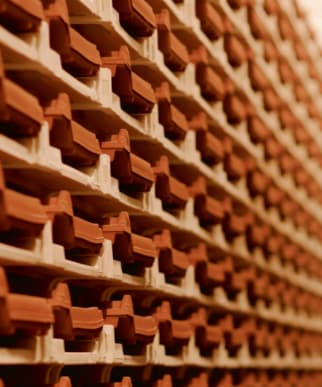


Tile does something no manufactured roof quite manages: it changes through the day. The barrel shape throws a shadow, so the roof reads deep orange in the morning and almost brown by evening, and over decades the color softens into a patina instead of fading out.
The practical side is just as good. Fired clay will not burn, rot or corrode. It sheds water by shape rather than by seal, and the air gap under the tiles lets the roof breathe – part of why tile lasts as long as it does in a climate with real freeze-thaw like ours.
It is also the right roof for the right house. On a Mediterranean, mission or Spanish revival home, tile is what the architecture was drawn around; on stone and stucco it settles in as though it had always been there.
Most people weighing a tile roof are really weighing two numbers: what it costs to put on, and how long before somebody has to do it again. Here is how the common roofing materials compare on the second one.
Roofing Lifespan Comparison
| Roofing Material | Life Span |
| Asphalt shingles | 20-50 years |
| Architectural asphalt | 25-30 years |
| Wood shingles and shakes | 20 years |
| Metal | 40-80 years |
| Slate, concrete and clay tiles | 100 years |
- The structure. Clay is several times the weight of asphalt, so the first question is whether your framing carries it as built – and if it does not, what reinforcing it would involve. We answer that before we talk about tile.
- The details. Valleys, chimneys, sidewalls and eaves are where tile roofs leak. We fabricate our own copper for those rather than fitting whatever comes off a shelf.
- The house itself. Tile belongs on some homes and not on others. We will tell you plainly which yours is before you spend anything on it.
If you would like to know more about the Clay Tile Roofing Services offered by our Westchester County Roofing company – never hesitate to call.


Window shoppers are always welcome – roofing is our passion and helping our friends and neighbors our pleasure.